 An official website of the United States government.
  Official websites use .gov
A .gov website belongs to an official government organization in the United States.
Official websites use .gov
A .gov website belongs to an official government organization in the United States. Secure .gov websites use HTTPS
A lock or https:// means you’ve safely connected to the .gov website. Share sensitive information only on official, secure websites.
Secure .gov websites use HTTPS
A lock or https:// means you’ve safely connected to the .gov website. Share sensitive information only on official, secure websites.Contaminants and nutrients pollute the marine and coastal environment, causing acute or long-term impacts to ecosystems, humans, and animals—from shellfish to pets. NCCOS provides the science to help managers understand the biological effects of contaminants and nutrients and evolve actions over time, or respond quickly to avert a crisis by conducting national or long-term research to understand the effects of contaminants, nutrients, and hypoxia. Measuring contaminants in mussels and oysters, or the breadth of the Gulf of Mexico’s dead zone, where agricultural runoff from the middle of the country leads to summertime conditions that cannot support bottom-dwelling marine life. These measurements and predictions allow federal, tribal, state, and local officials to make better decisions affecting health, seafood safety, and crisis management.
Areas of Focus
Biological Effects of Contaminants and Nutrients
NCCOS provides the science to help managers understand the biological effects of contaminants and nutrients and evolve their actions over time, or respond quickly to avert a crisis.
Advancing Research Through Innovation
NCCOS science is used to inform resource managers on the fate and effects of chemicals specific to coastal ecosystems. NCCOS research supports restoration and remediation actions, such as the replanting of marsh plants in areas impacted by oil-spills, genetic analyses that identify species and ecosystems that could be impacted, and as a resource for managers to establish restoration targets. NCCOS also conducts research to develop sampling technologies and methods, protocols, standards and models that advance NOAA and partner capabilities to detect and monitor contaminants and lessen the potential effects to the environment.
Molecular Technologies
NCCOS scientists employ molecular technologies (genomics, proteomics, and metabolomics) to assess changes at the molecular level (gene, protein, and metabolite, respectively) in response to coastal pollution. Our scientists use state of the art instrumentation, such as MiSeq (which performs clonal amplification and DNA sequencing) and Nuclear Magnetic Resonance followed by high power computer applications to conduct bioinformatics, a process of analyzing the molecular data and determining relationships between environmental pollution stressors and molecular changes.
Spatial Analysis
NCCOS scientists are assessing the scope and extent of land-based sources of chemical and biological contaminants in sensitive habitats. By measuring a broad suite of pollution indicators, scientists can provide a condition assessment for the specific ecosystem. Our scientists use collaborative databases, and statistical and geospatial analysis programs to synthesize and map the data. Our scientists are expanding their capabilities to use machine learning and artificial intelligence to predict contaminant concentrations. This provides the baseline data requested by natural resource managers, helps managers understand the primary drivers of pollution, and helps identify future projects to reduce land-based sources of pollution and restore and conserve critical habitats.
Contaminant Sampling Technologies
NCCOS scientists identify and measure chemical contaminants with a variety of new sampling technologies such as passive samplers such as silicone bands—which absorb chemicals in the environment—to active water filtration samplers that integrate concentrations over time. We are experimentally developing rate constants that will allow quantification of organic compounds from multiple sampling platforms. Our scientists are refining analytical techniques to improve organic and inorganic chemical detection in water, sediment, and tissue samples. We are also working with coastal resource managers to deliver data on new and emerging chemicals of concern such as per- and poly-fluorinated substances (PFAS).
Sources and Impacts of Chemical Contaminants
Chemical contaminants are substances that are present in the environment at levels or at concentrations that give rise to concerns about their potential adverse biological effects and impacts on the delivery of ecosystem services. Chemical contaminants enter coastal ecosystems via land, sea and atmospheric routes. Within coastal systems, there are many stressors that can exacerbate the adverse effects of contaminants and further degrade coastal ecosystems including sedimentation, sewage, overfishing, invasive species, harmful algal blooms, hypoxic and dead zones, ocean acidification, climate change, rising sea levels, floods and hurricanes.
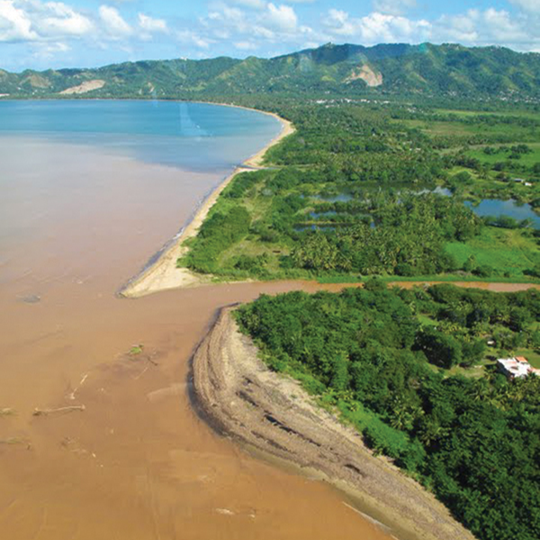
Land-based Contaminants
As much as 80% of the contaminants affecting U.S. coasts are land-based, with coasts serving as a major ”route” for the exposure of marine ecosystems to a host of contaminants that can impact shallow, offshore, and deep water ecosystems. Significant sources of contaminants include cities, factories, agricultural activities, forestry, and mining that can also be inland or upstream, and ports and marinas.
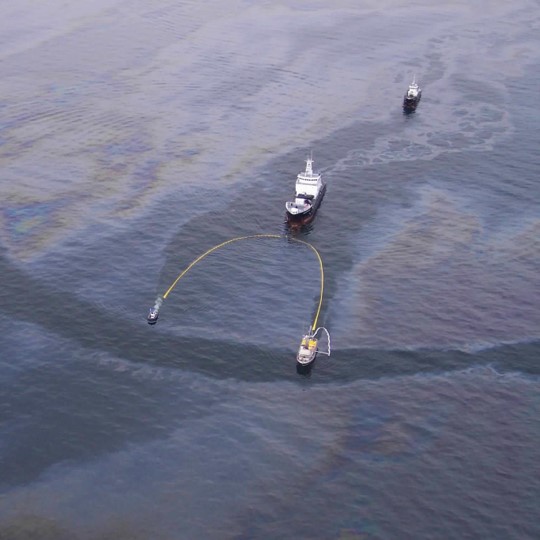
Sea-based Contaminants
Dredging, shipping, and maritime traffic are subject to chemical spills—including oil and dispersant/surfactants used to remediate oil spills and other hazardous or noxious substances transported by sea. Also, seabed mining for precious minerals to keep up with consumer demand further increases the risk posed by contaminants. Offshore aquaculture operations that use medicines, biocides and nutrients may also introduce contaminants to coastal ecosystems.
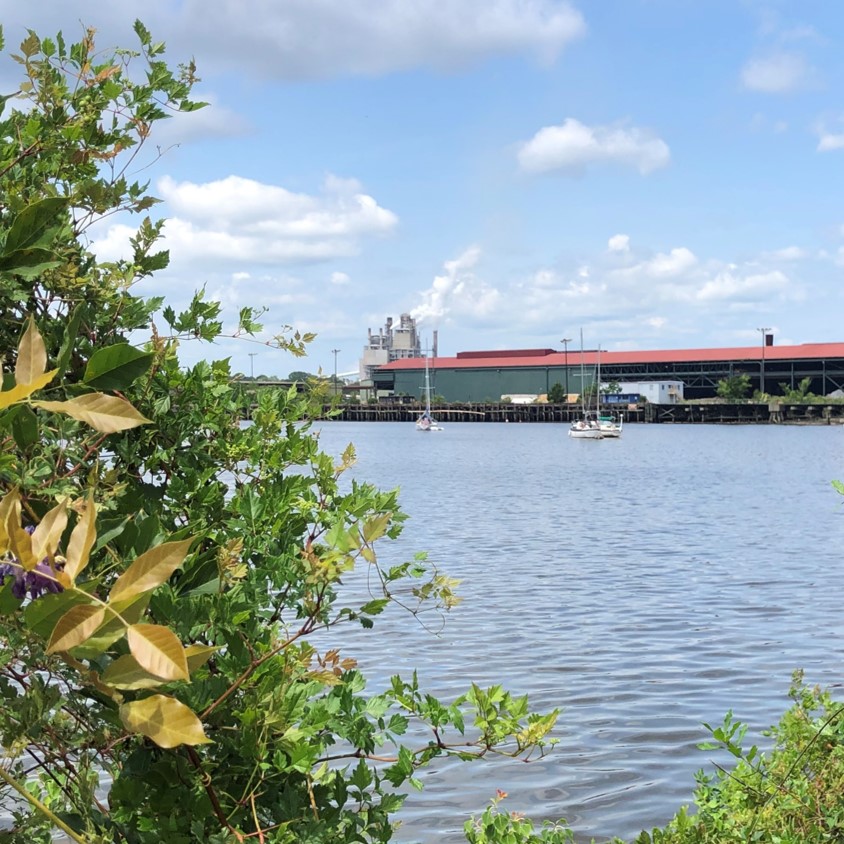
Atmospheric Contaminants
Airborne contaminants—including hydrocarbons, metals, pesticides— can enter the atmosphere via factory emissions or wind-driven contaminated dust particles, and are able to travel long distances before being deposited in coastal areas via precipitation.
Featured Stories